
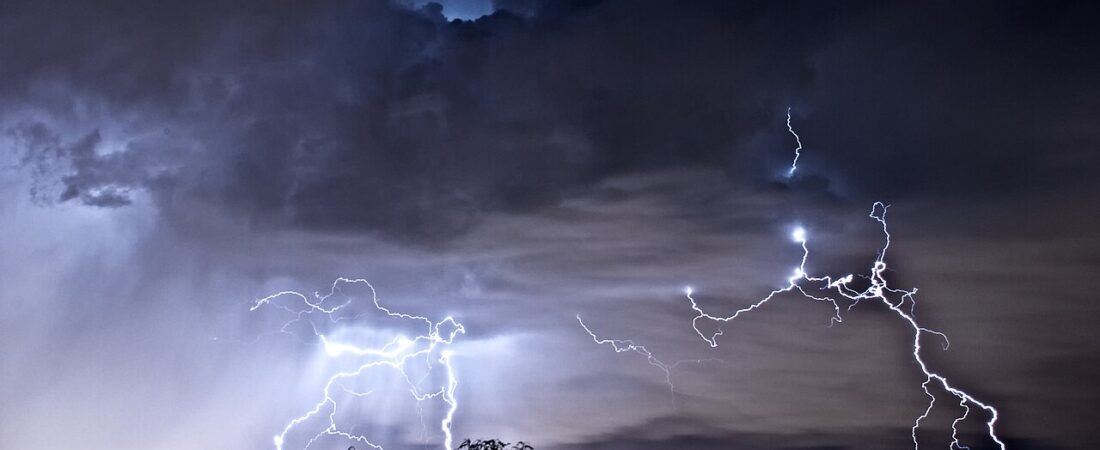
Nobody comes to Vegas expecting rain. That’s kind of the whole point of the desert. But from mid-June through September, Vegas gets monsoon season — and it catches visitors completely off guard every single year. One minute it’s 108 and cloudless, thirty minutes later there’s a wall of water coming down and streets are turning into rivers.
Here’s the thing most tourists don’t realize: the rain itself isn’t the danger. The flooding is. And 2026 is shaping up to be a more active season than the last few years, so if you’re visiting this summer, this is worth five minutes of your time.
When Monsoon Season Actually Runs
The North American monsoon season in Southern Nevada officially runs June 15 through September 30. Flash flood season in Clark County specifically runs July through September.
Forecasters said this year is on track to be more active than recent seasons — there are a lot of factors working in favor of a real monsoon rather than what locals jokingly call a “non-soon.”
So if you’re here in July, August, or September, plan for the possibility. Not every day, not even most days. But it only takes one storm.
Why Desert Rain Is So Much More Dangerous Than It Looks
This is the part that genuinely surprises people. Vegas gets very little rain — but when it rains, it comes down all at once.
The problem is the ground. Southern Nevada’s hardpan desert soil barely absorbs water, and the steep terrain around the valley accelerates runoff into streets and neighborhoods within minutes. Officials have said that in just 15 minutes, a storm can dump enough water to completely fill a flood channel.
Here’s the detail that catches people out: it does not have to be raining where you are. If a storm hits the west side of the valley, all that water drains east — so the sun can be shining over your head while dangerous water is moving through washes nearby.
The numbers are sobering. It takes only a few inches of moving water to sweep a person off their feet, and about six inches to move a vehicle. Since 2020, nine people have died in flood-related incidents across the Las Vegas Valley.
The Rules That Actually Matter
If a storm rolls in while you’re here, this is the whole list. It’s short because it’s simple:
- Never drive through a flooded roadway. Not even a little. Roughly half of all flood fatalities nationally involve drivers who tried to cross water. The local motto is “Turn Around, Don’t Drown,” and it exists for a reason. You cannot tell how deep it is or whether the road under it is still there.
- Stay out of washes, channels, and detention basins. These are the concrete and dirt channels you’ll see around the valley. They look like harmless empty ditches ninety-nine percent of the time. During a storm they are the single most dangerous place you can stand.
- Do not park in a wash or low-lying lot. If you rented a car, park it somewhere elevated when storms are forecast.
- Get inside. Vegas has more indoor square footage than almost any city on earth. Use it.
- Take the alerts seriously. Wireless emergency alerts will hit your phone automatically. If you get a flash flood warning, that is not a suggestion.
What Actually Happens on the Strip During a Storm
Realistically, if you’re staying on the Strip and you stay indoors, a monsoon storm is more of an inconvenience than a danger. Here’s what to expect:
- Pool decks and dayclubs close. Often abruptly, and sometimes for the rest of the day. If you paid for a dayclub ticket, check the venue’s weather policy — some offer rain checks, many don’t.
- Outdoor shows and attractions pause. Fountains, High Roller, rooftop bars, anything exposed. The Bellagio Fountains shut down in high winds even without rain.
- Rideshare surges hard. Everyone wants a car at the same time and drivers avoid flooded areas. Expect long waits and high prices.
- Flights get delayed. Summer thunderstorms regularly back up Harry Reid airport. Build in buffer time.
- Some Strip underpasses and side streets flood fast. Walking becomes genuinely unpleasant and occasionally unsafe.
The Rainy Day Backup Plan (This Is Actually the Fun Part)
Good news: Vegas is essentially built for bad weather. Everything worth doing is indoors and air-conditioned anyway. If a storm wrecks your afternoon, here’s where to go:
Free indoor options:
- Bellagio Conservatory — free, open 24 hours, gorgeous, air conditioned
- Casino floors — the Venetian’s canals and Caesars’ Forum Shops are basically indoor cities
- Fremont Street Experience — covered by the LED canopy overhead
- Hotel lobby wandering — genuinely a free activity in this city
Paid indoor options worth the money:
- The Sphere — the immersive films are indoors and honestly better than anything outdoors anyway
- Shark Reef at Mandalay Bay
- The Adventuredome at Circus Circus — an entire indoor theme park
- AREA15 and Meow Wolf’s Omega Mart
- Escape rooms — our full escape room guide has the best ones ranked
- Speakeasies — storm outside, cocktails inside, no complaints
- Museums — the Mob Museum, Neon Museum indoor exhibits, Discovery Children’s Museum for families
Honestly, a rained-out Vegas afternoon is a great excuse to do the indoor stuff you’d otherwise skip.
Should Monsoon Season Change Your Trip Plans?
Short answer: no, but pack for it and stay flexible.
The upside nobody mentions: late summer is one of the cheaper windows to visit Vegas. Hotel rates drop, crowds thin out, and the tradeoff is heat plus the occasional storm. If you’re a budget traveler, that tradeoff is often worth it — especially since most of what you’d do is indoors regardless.
What to actually do:
- Check the forecast the morning of, not a week out. Desert storms are extremely localized and hard to predict far ahead
- Don’t book non-refundable outdoor stuff (dayclub cabanas, outdoor tours) without checking the weather policy
- Keep one indoor backup plan in your pocket for each day
- If you’re driving to Red Rock, Hoover Dam, or the Grand Canyon, check conditions first — desert roads flood and canyon areas are especially dangerous during storms
For the rest of the summer survival plan, see our guide on surviving Las Vegas heat on a budget, which pairs with this one.
The Bottom Line
Vegas monsoon season is real, it’s mostly harmless if you’re smart, and it’s genuinely dangerous if you’re not. Don’t drive through water. Stay out of washes. Take the phone alerts seriously. And if a storm rolls through, treat it as permission to go do the indoor stuff you were going to skip.
The desert gets maybe a handful of real storms a season. Odds are you’ll miss them entirely. But if one hits while you’re here, now you know what to do.
Conditions change fast. Always check the National Weather Service Las Vegas forecast and follow local emergency alerts during your visit.