
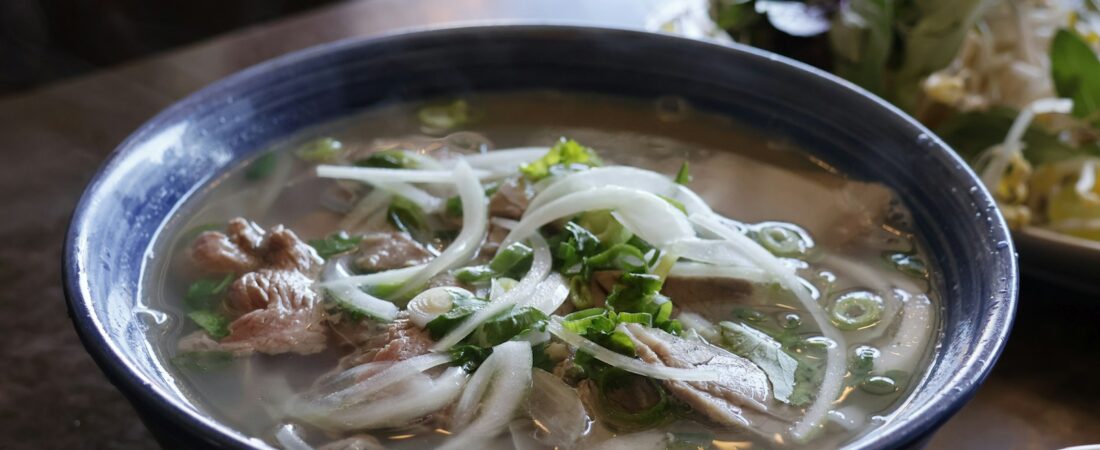
The Strip has trained tourists to expect $25 burgers and $18 cocktails, and most visitors just accept it. Locals don’t eat that way — and neither should you. Vegas has genuinely great, genuinely cheap food if you know where to look. Here’s where locals actually eat, away from the tourist markup.
Why Locals Eat Off the Strip
The Strip charges what it charges because it can — you’re already there, you’re hungry, and walking somewhere else feels like effort. But a 5–10 minute rideshare or a few blocks of walking off the Strip consistently cuts food costs by 50–70%. The quality is often better too, since these places survive on repeat local business rather than one-time tourist visits.
Chinatown: The Locals’ First Answer for Cheap, Good Food
Las Vegas has one of the most underrated Chinatown districts in the country, located on Spring Mountain Road about 10–15 minutes from the Strip. It’s the first place most locals will send you for cheap, high-quality food and it covers almost every cuisine:
- Pho (Vietnamese noodle soup) — multiple spots on Spring Mountain Road serving large bowls for $10–14, a filling meal that beats anything comparably priced on the Strip
- Korean BBQ — several all-you-can-eat Korean BBQ options in the $20–30 range per person, significantly cheaper than Strip equivalents
- Chinese dim sum — weekend dim sum is a local tradition, prices typically $3–5 per dish
- Boba tea shops, ramen spots, and Filipino restaurants fill in the gaps
Chinatown is the single best value food destination in Vegas that most tourists never visit. A rideshare from the Strip runs $8–12 each way — still worth it for the savings and quality. For cheaper ways to get there, see our breakdown of getting around Vegas on a budget.
Best Cheap Food Court Options (On and Near the Strip)
Not all Strip food is overpriced — casino food courts are a legitimate budget move that locals use too:
- Wynn/Encore Food Court — surprisingly affordable for a luxury property, consistently well-reviewed
- Cosmopolitan’s Secret Pizza — a well-known local tip, a small pizza place on the third floor of the Cosmopolitan that’s genuinely cheap, genuinely good, and genuinely hidden (no signage, you just have to know it’s there)
- Palace Station Food Court (off-Strip) — a local casino with a food court that serves large portions at prices that feel like a different city than the Strip
The 24-Hour Diner: A Vegas Institution
Vegas’s 24-hour diner culture is one of the city’s genuinely underrated features. Several casino diners serve full meals at any hour for reasonable prices — steak and eggs at 4am for $12 is a real thing in this city. These aren’t tourist traps; they’re where locals go after a late night.
Dollar Slices and Quick Bites
- Multiple spots near the Strip serve $2–3 pizza slices — fast, filling, and useful when you’re between casinos and don’t want to commit to a sit-down meal
- In-N-Out Burger has locations accessible from the Strip area — a Vegas tradition for a reason, and significantly cheaper than casino burger options
- The Linq Promenade has a few more casual/affordable quick-service options compared to the main Strip hotel restaurants
What to Avoid (Tourist Markup Alert)
- Sit-down restaurants inside major Strip casinos at dinner — this is where you pay the most for the least
- Hotel room service — essentially a 40–50% markup on already-high casino prices
- Any restaurant with a celebrity chef name on the marquee, unless that’s specifically the experience you’re paying for
Budget Food Summary: What a Day of Eating Actually Costs
If you eat smart in Vegas you can do a full day of food — breakfast, lunch, dinner, and a snack — for $30–45 per person. If you eat exclusively at Strip sit-down restaurants, the same day costs $80–120+. The gap is real and it adds up fast over a 3–4 day trip. Pair smart food choices with a budget-friendly hotel pick and your daily spend drops even further.
Practical tip: use the heat schedule to your advantage with food too. A big cheap lunch during the indoor midday hours (food court or Chinatown) and a lighter, cheaper dinner means you’re not spending peak money at peak times.